
Strengthening paediatric emergency care in Ukraine

Situation:
The Russian war against Ukraine has now been ongoing for four years. Particularly vulnerable groups such as children are at risk, with acute emergencies increasing sharply due to precarious medical care and infrastructural bottlenecks. At the same time, there is a shortage of pediatric specialist personnel. Many medical professionals do not feel adequately prepared for the technical and emotional challenges of emergencies involving children, which leads to delays and uncertainty in emergency care.
Objectives:
The aim of the project is to sustainably strengthen pediatric emergency care in Ukraine. Through standardized, context-adapted and scientifically certified trainings, the clinical expertise and confidence of health personnel will be significantly enhanced. At the same time, the psychosocial resilience of participants will be supported. By training local trainers, knowledge will be transferred and permanently anchored in the local context, leading to more competent and confident care and a sustained improvement in the quality of pediatric emergency care.
- Number of context-sensitive training curricula developed for pediatric emergency trainings
- Number of medical personnel qualified as trainers
- Number of participants certified in pediatric emergency care
- Number of completed evaluation questionnaires by participants
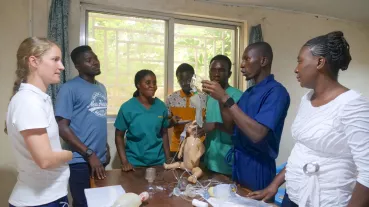
The project includes the context-sensitive refinement of pediatric trainings through academic peer review, the qualification of trainers, and the delivery of practical on-site trainings in eastern Ukraine, as well as additional block trainings to strengthen psychosocial resilience. Specialized modules for pediatric emergency transport are also offered.
The project builds sustainable structures for pediatric emergency care in Ukraine. Certified trainings and trained trainers will generate lasting local capacity. This will improve the quality of emergency care for children, reduce the burden on medical personnel, and strengthen their confidence in crisis situations.
The project is distinguished by a context-sensitive, practice-oriented training approach that integrates medical, psychosocial, and communication competencies. Delivering trainings directly on site, combined with close collaboration with local partners and international academic institutions, ensures high relevance and lasting impact.
Further information here.