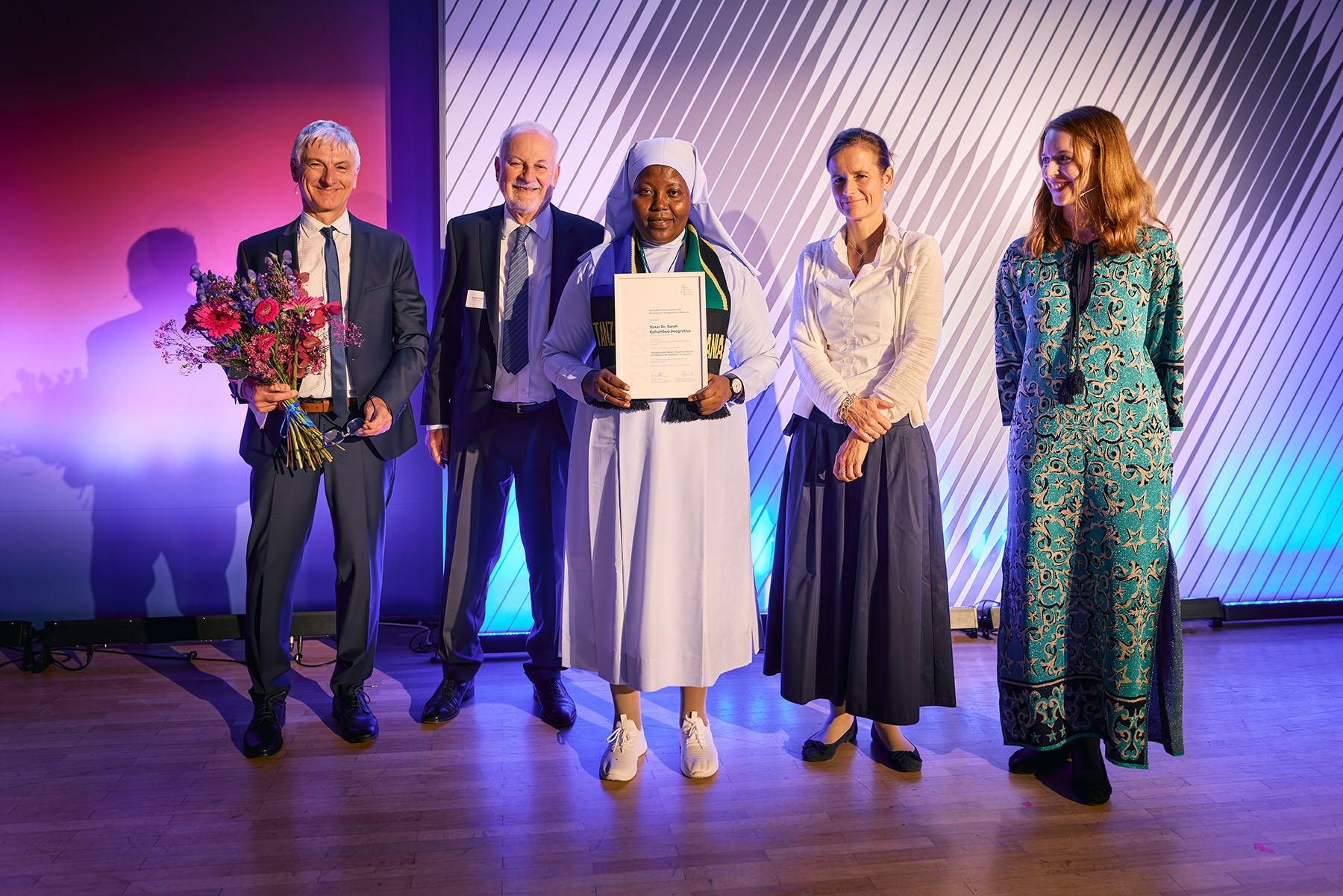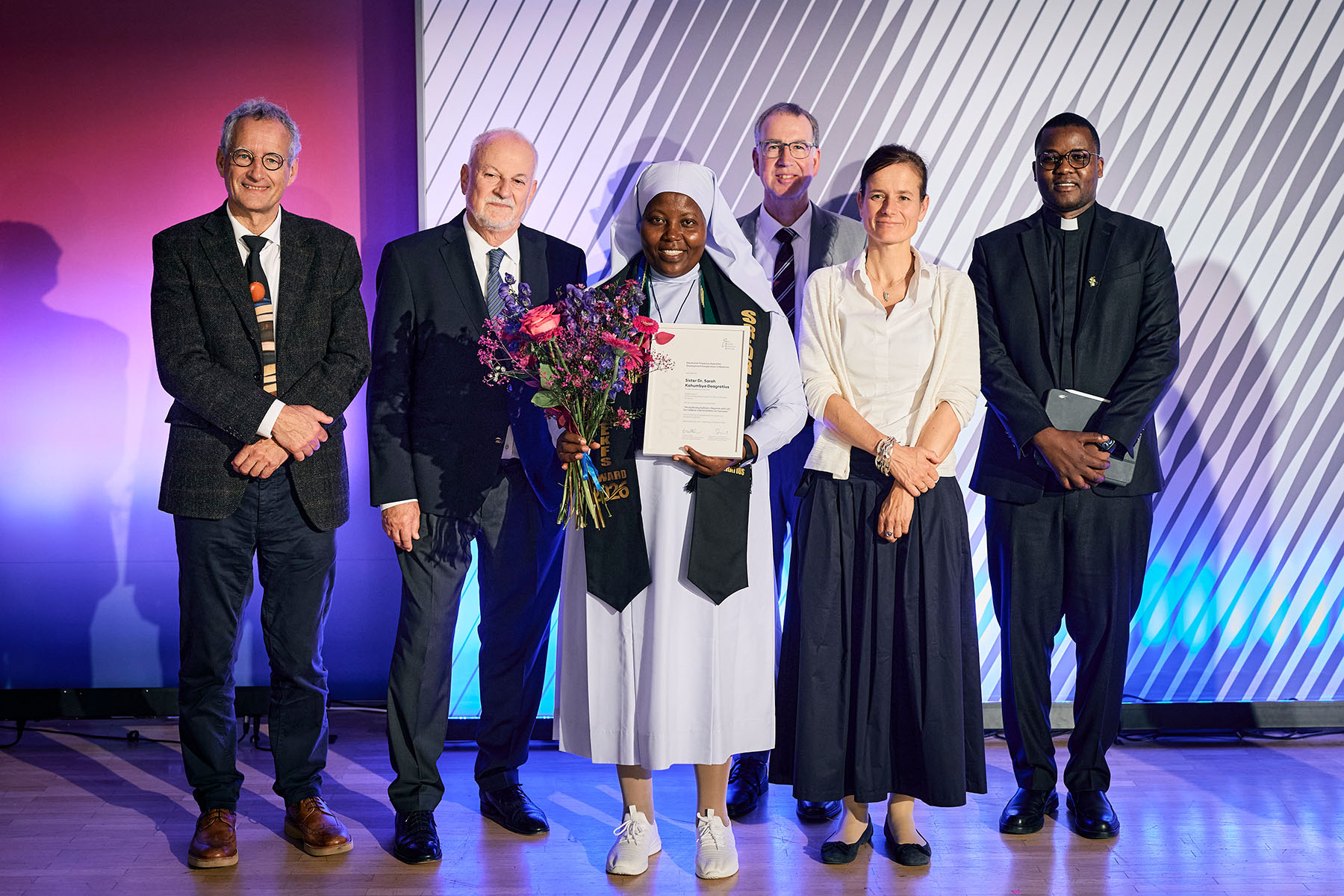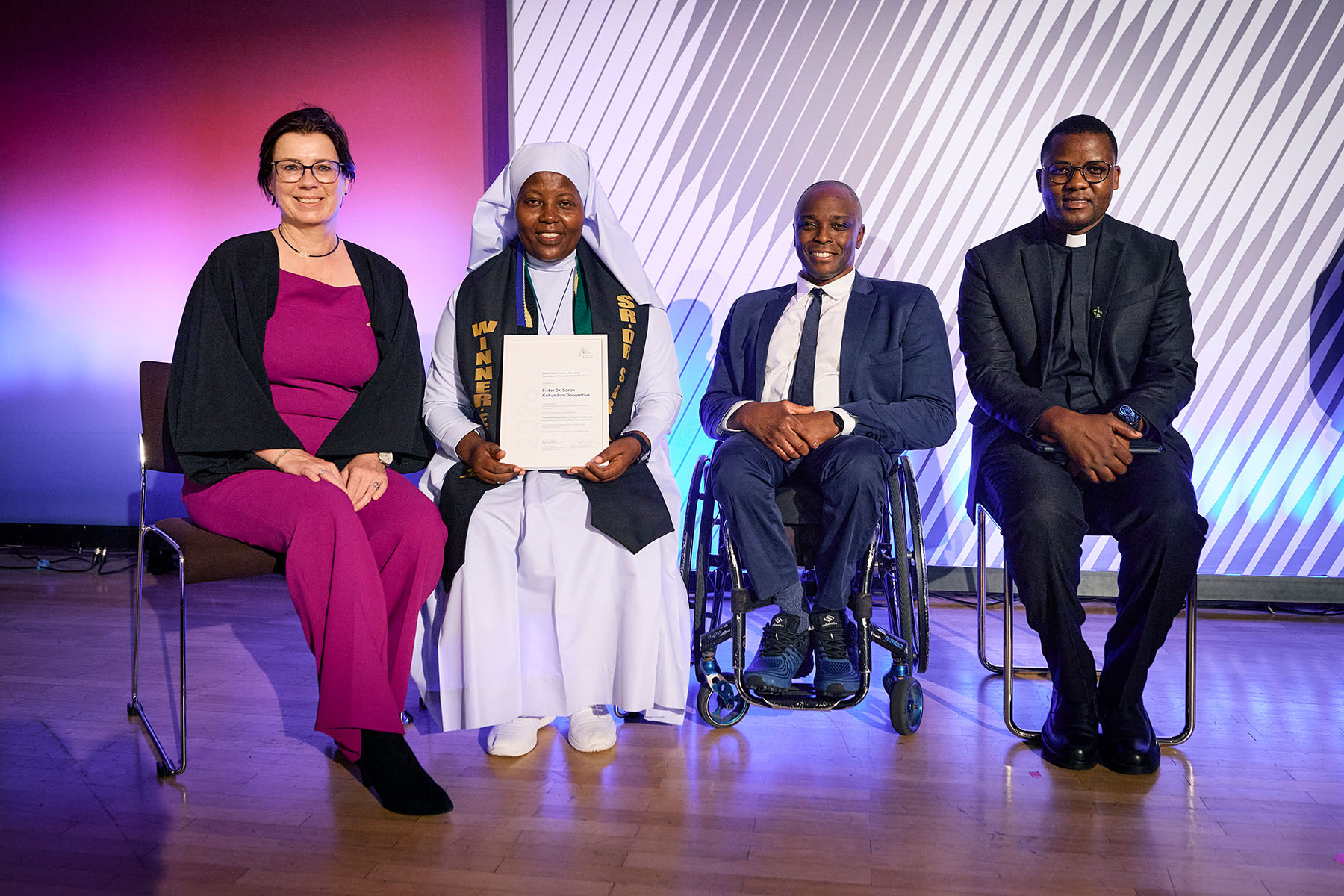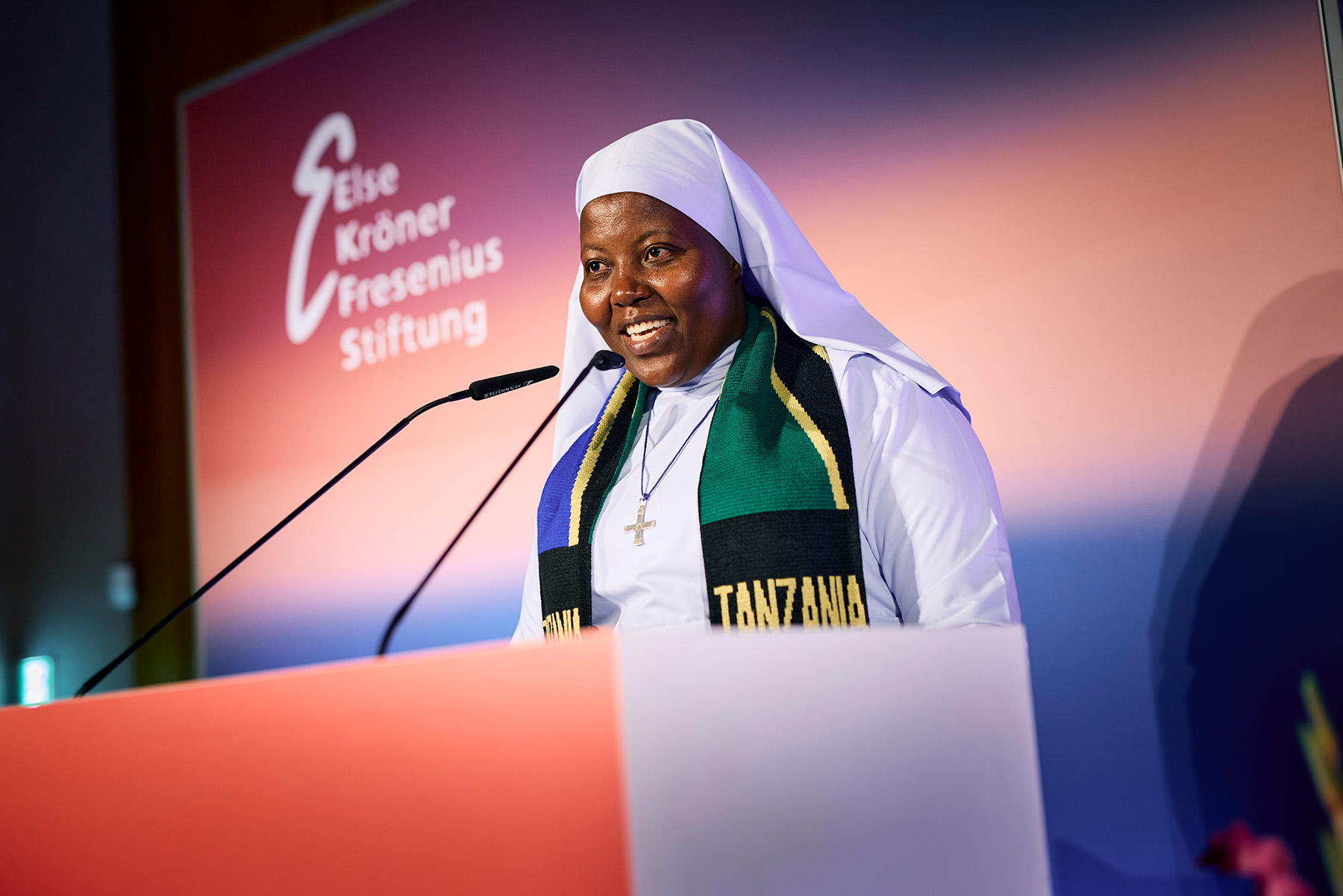

This year, the Else Kröner Fresenius Award for Development Cooperation in Medicine goes to Sister Dr. Sarah Kahumbya Deogratius, Medical Director of Cardinal Rugambwa Hospital (CRH) in Dar es Salaam, Tanzania. The winning project, “Strengthening Epilepsy Diagnosis and Care for Children with Disabilities in Tanzania,” was nominated by Lutheran Hospital Alsterdorf in Hamburg.
The award ceremony took place in Berlin on October 1, 2026. The Deputy Director of the Department of Neurosurgery at Ulm University Hospital, Prof. Dr. Thomas Kapapa, will give a keynote address entitled “Enabling Participation – Securing the Future.”
Improving diagnoses, treatment, and quality of life
Sister Dr. Sarah Deogratius is a nun, physician, and Medical Director of Cardinal Rugambwa Hospital in Dar es Salaam, Tanzania. The award-winning project builds on a partnership established between the Cardinal Rugambwa Hospital and the Lutheran Hospital Alsterdorf in 2019 that has been developed further in a targeted manner since 2021. The rehabilitation unit at the hospital in Dar es Salaam supports children living with disabilities such as cerebral palsy, developmental delays, or Down syndrome. Between 70 and 80 percent of them also have epilepsy.
In Tanzania, many children living with epilepsy or neurodevelopmental disorders face a double burden: the challenges of their condition and stigmatization and prejudice within their communities. Epilepsy is widespread and can among others result from structural brain damage caused by infections, parasitic diseases, or complications during birth. The delayed diagnosis of conditions such as epilepsy and developmental disorders further compounds the problem. The earlier a diagnosis is made, the sooner treatment can begin and children can be supported in their development, for example through physiotherapy to improve their mobility. This ultimately means more opportunities for children to participate in everyday life.
The Cardinal Rugambwa Hospital plays a key role here: It combines medical care and rehabilitation with training for local healthcare workers and community outreach.
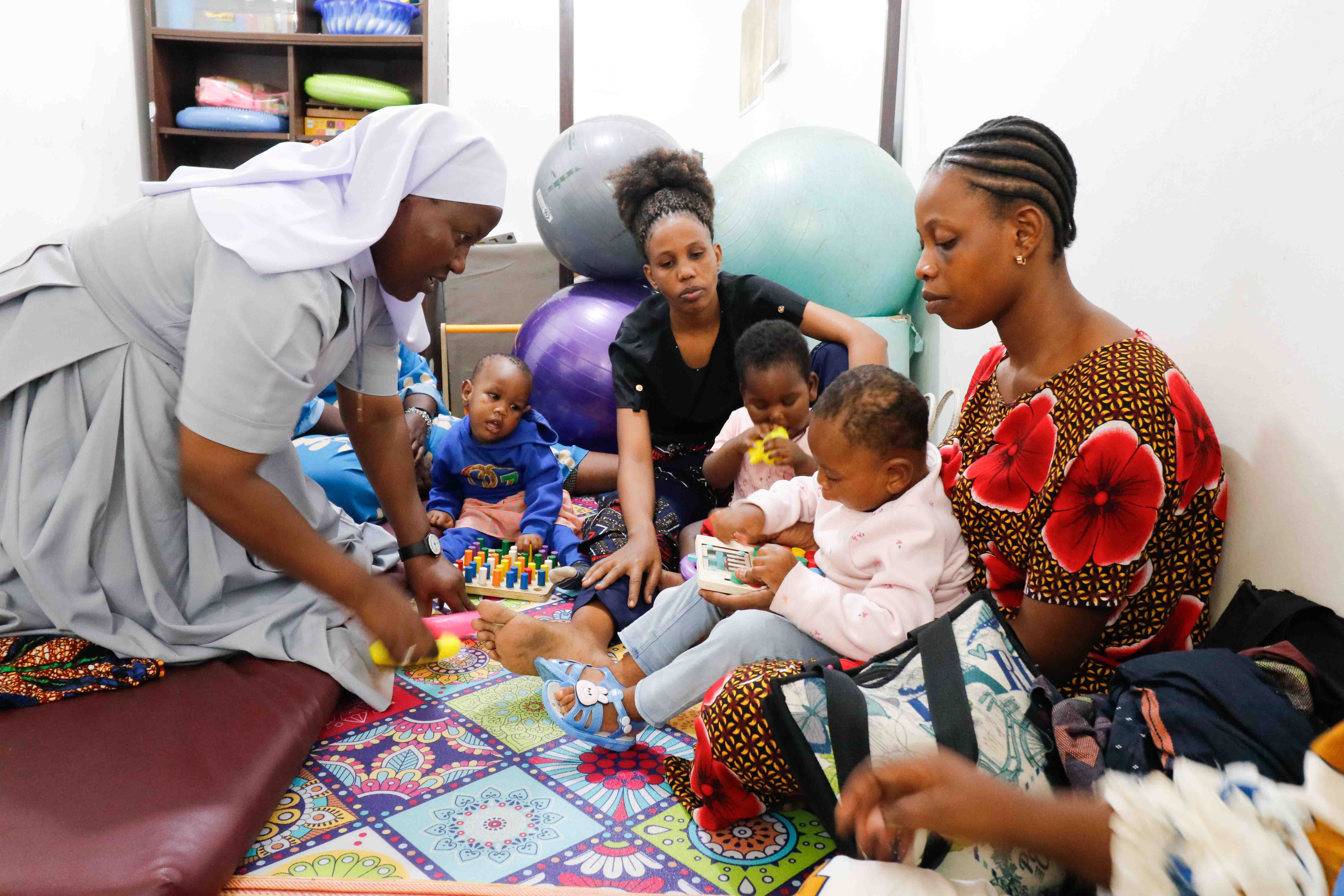
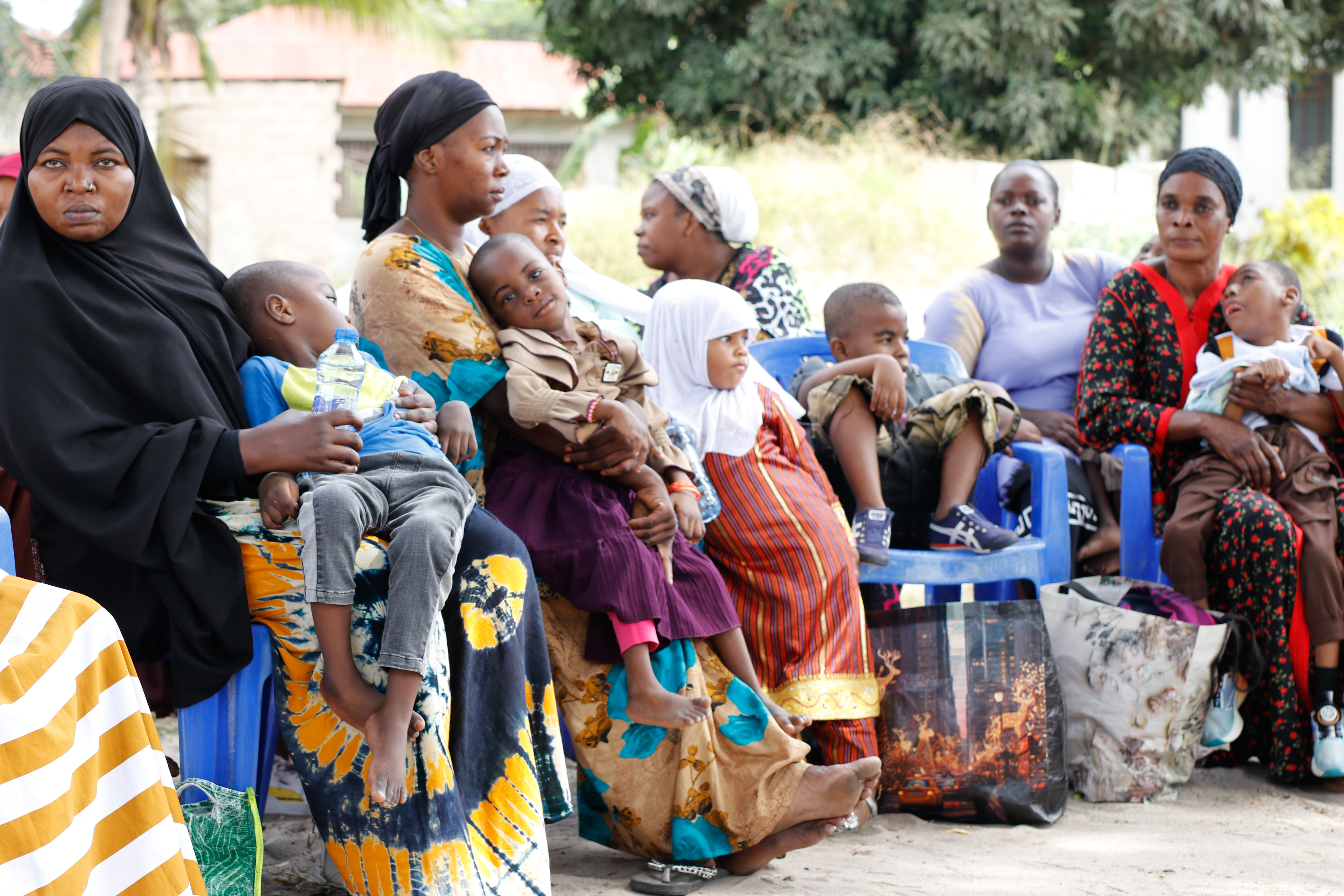
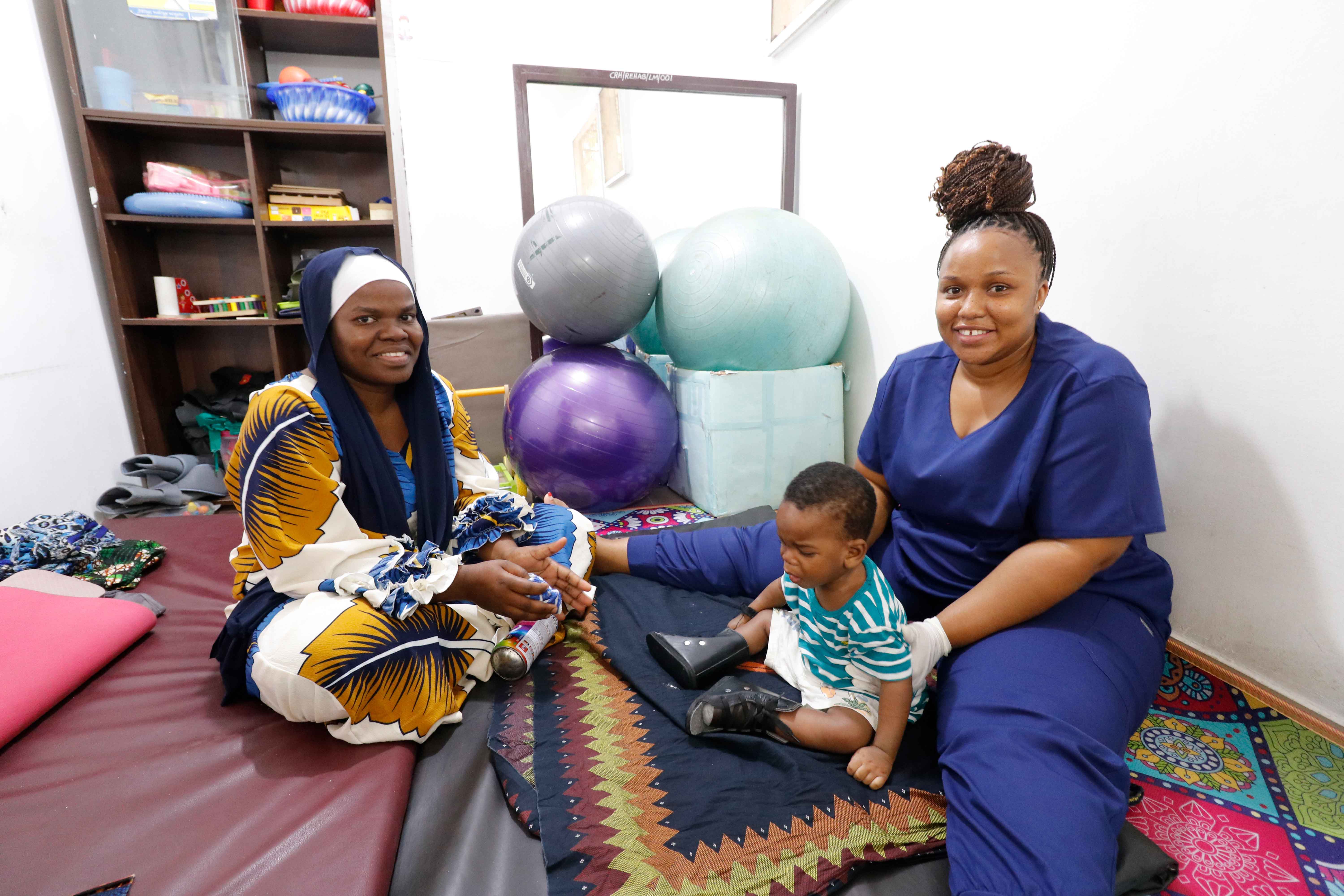
In addition to medical care, the hospital offers physiotherapy and occupational therapy. As part of its outreach activities, the teams also go out into communities specifically to identify children with disabilities, advise families, facilitate their access to appropriate care services, and raise awareness – with the aim of combating the stigmatization and exclusion of people with disabilities.
The prize money will be used to expand the rehabilitation and diagnostic services, train additional healthcare workers, and improve care in underserved areas.
In the interview, award winner Sister Dr. Sarah Kahumbya Deogratius talks about her work and future plans for the project.
You can find the press release dated September 30, 2026, here.
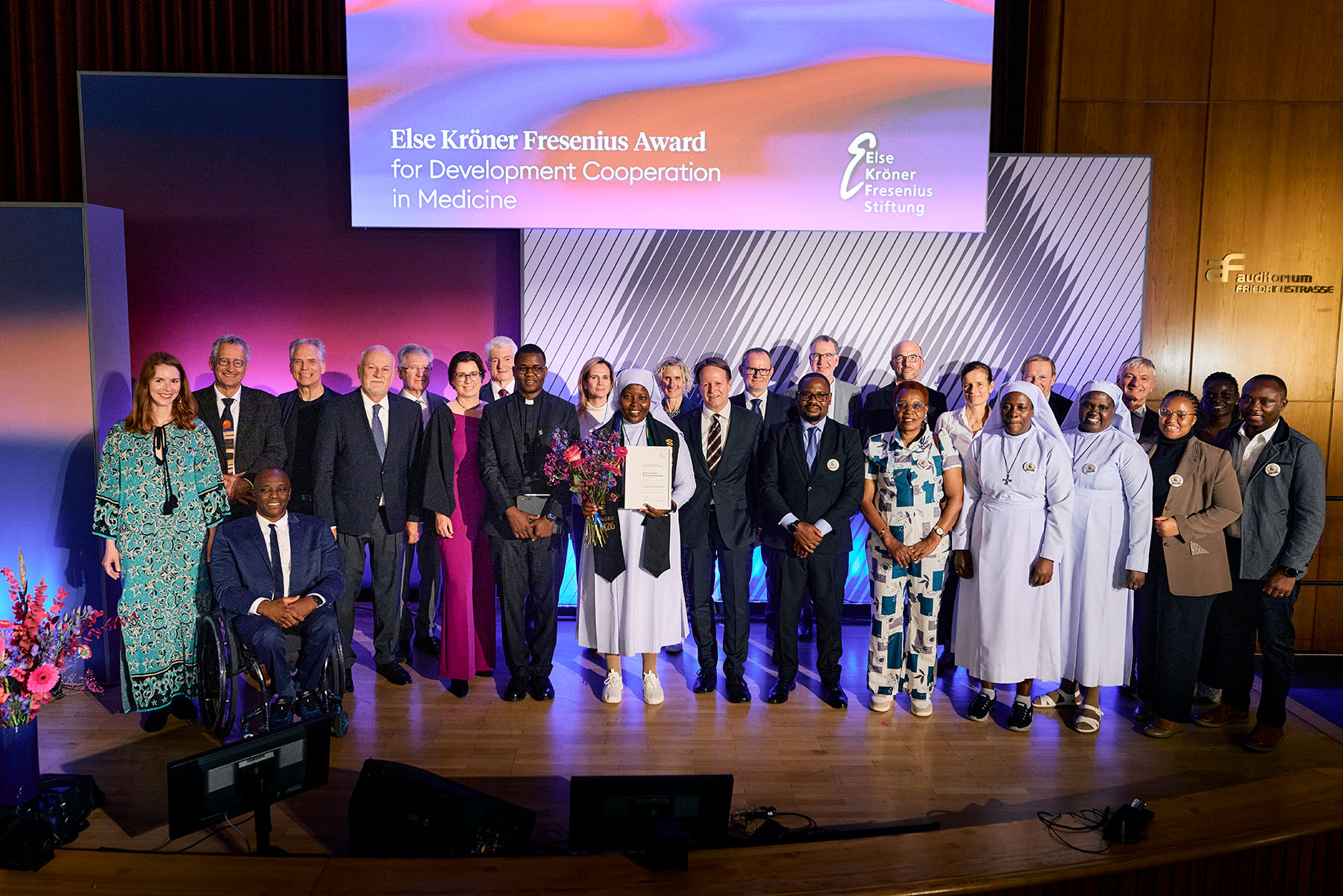
Impressions from the award ceremony on October 1, 2026: