

Bad Homburg v. d. Höhe, November 5, 2026 – Using genetic scissors to treat the cause of a serious genetic muscle disorder or deploying immune cells to specifically target aggressive blood cancer: Two research projects are set to open up new treatment options for diseases that have been difficult to treat to date. ForTra gGmbH for Research Transfer (subsidiary of the Else Kröner Fresenius Foundation) will fund the GMP-compliant production of the gene and cell therapies needed for this. The two projects were selected from among the 15 proposals submitted in response to ForTra’s 2025 call to support the GMP-compliant manufacture of cell and gene therapies. They will receive a total of €4 million in funding.
New gene and cell therapies can target the underlying causes of disease development. However, these therapies must first be manufactured in compliance with stringent quality standards before they can be tested in humans. The Good Manufacturing Practice (GMP) standards aim to ensure the quality of products and minimize the risks for patients. The associated requirements make production time-consuming and expensive. “Financing these production costs is a major challenge, particularly for academic research groups,” explains Prof. Dr. Martin Zörnig, Managing Director of ForTra gGmbH. “With our GMP funding, we help to close a critical funding gap and enable promising research projects to take the next step toward clinical trials.” The two projects selected demonstrate how this funding contributes to the development of new therapies. They are taking different approaches to treating serious diseases for which the treatment options have been limited to date.
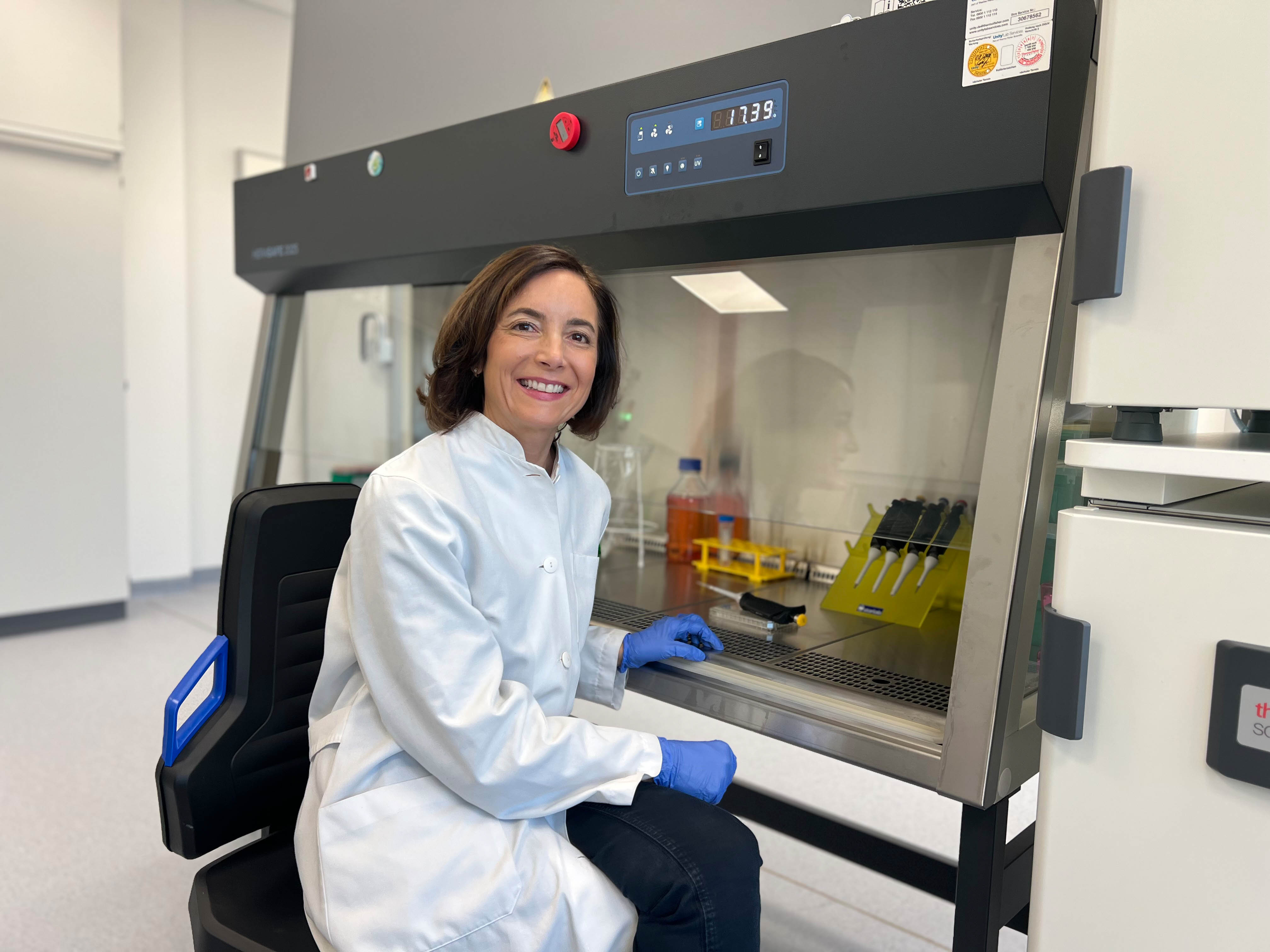
Genetically modified immune cells to fight aggressive blood cancer: Prof. Dr. Evelyn Ullrich, Chair of Personalized Immune Cell Therapy at the Institute for Transfusion Medicine and Gene Therapy, University Medical Center Freiburg
This project is investigating acute myeloid leukemia (AML), an aggressive form of blood cancer that mainly affects older adults. Although therapies exist, many patients experience relapses or develop resistance to treatment. For many older patients, a stem cell transplant that could potentially offer a cure is too risky.
Prof. Dr. Ullrich and her team are therefore developing a novel therapy that uses genetically engineered natural killer cells (NK cells). These immune cells are equipped with artificial receptors (chimeric antigen receptors, CARs) to enable them to attack leukemia cells with even greater precision. The planned clinical trial will include pretreatment with medication designed to make certain target structures on leukemia cells more visible, making them easier for immune cells to recognize. With ForTra’s support, the novel NK cell product will be manufactured in compliance with GMP standards and prepared for a clinical trial. The long-term goal is to develop more precise and effective therapies, particularly for leukemia patients with limited treatment options.
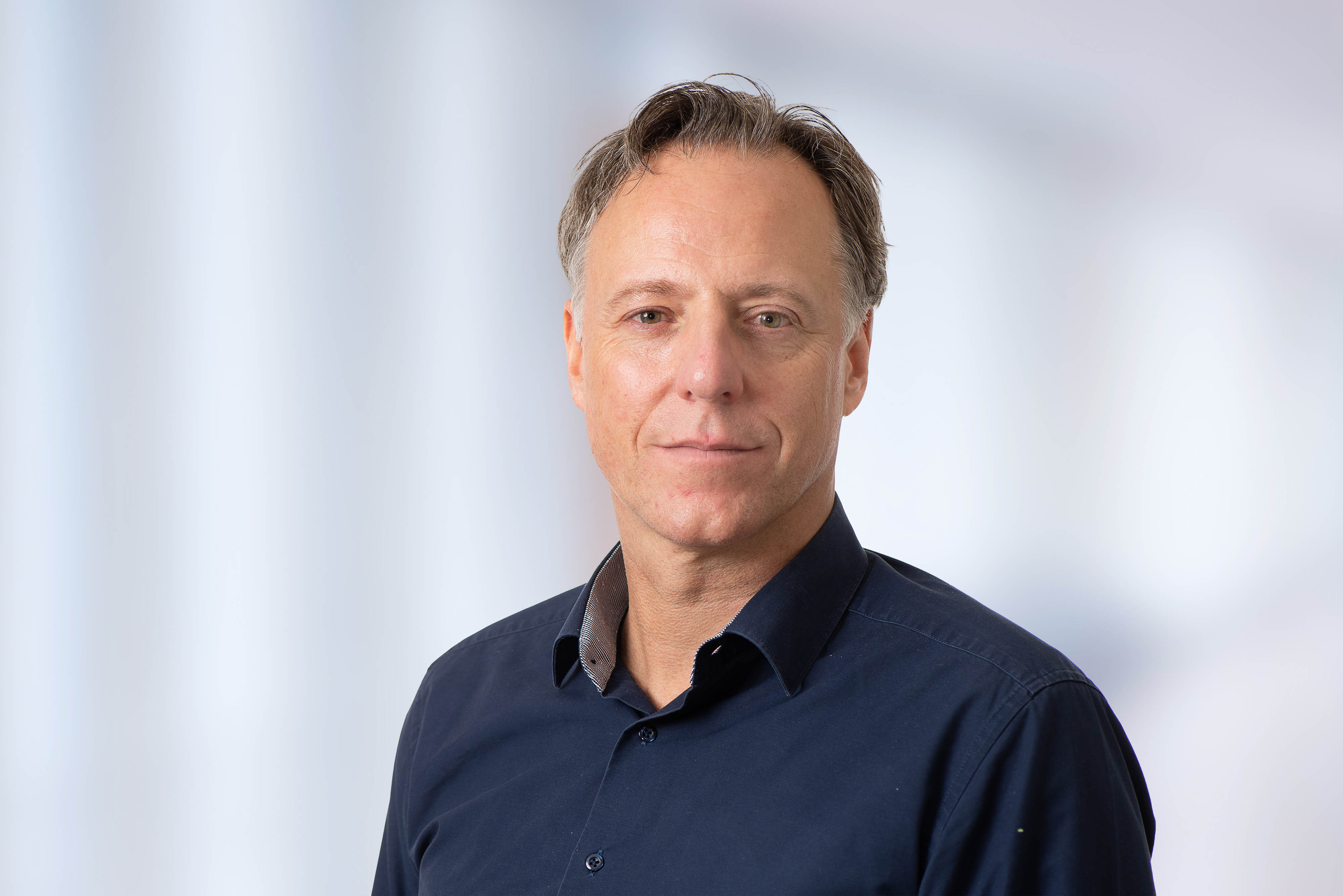
Genetic scissors in Duchenne muscular dystrophy: Prof. Dr. Wolfram-Hubertus Zimmermann, Department of Pharmacology and Toxicology, University Medical Center Göttingen
Duchenne muscular dystrophy (DMD) is a severe, progressive muscle disorder that affects about one in every 3,500 newborn boys. Children with this condition lack dystrophin, a protein essential for muscle function. This causes their muscle cells to become increasingly damaged. As the disease progresses, patients initially lose the ability to walk. In later stages, food intake, breathing, and heart function are also affected. People with this condition usually only live to their twenties. While the therapies currently available can slow the progression of the disease, they cannot stop it. The new therapeutic approach will use the CRISPR/Cas gene-editing tool to modify defective sections of the genome so that muscle cells are able to produce dystrophin again. Adeno-associated viral vectors (AAVs) known as gene shuttles will deliver the gene-editing tools to muscle cells. A patient-specific heart and skeletal muscle model derived from stem cells was used to test the safety of this procedure before it is administered to humans. ForTra is now funding the GMP-compliant production of the required gene shuttle using genetic scissors. The planned treatment of a single patient is intended to pave the way for a broader evaluation of the gene-editing approach in people with DMD.
ForTra gGmbH für Forschungstransfer der Else Kröner-Fresenius-Stiftung (ForTra)
ForTra is a non-profit subsidiary of the foundation Else Kröner-Fresenius-Stiftung. The purpose of the German limited liability company is the advancement of medical science and research along with the promotion and support of public health through the translation of medical research findings into clinical application to the benefit of both patients and public healthcare. You can find more information about projects funded by ForTra at: https://www.ekfs.de/en/scientific-funding/funding-lines/translational-research
Scientific Contact:
ForTra
Prof. Dr. Martin Zörnig
CEO ForTra gGmbH für Forschungstransfer der Else Kröner-Fresenius-Stiftung
c/o EKFS
Tel.: +49 6172 8975-12
Email: m.zoernig@fortra-forschungstransfer.de
Else Kröner-Fresenius-Stiftung (EKFS) – Advancing research. Helping people.
The Else Kröner-Fresenius-Stiftung is a nonprofit foundation that promotes medical research and supports humanitarian projects. To date the foundation has funded around 3,000 projects. With an annual funding volume currently of approximately 90 million euros, it is the largest foundation in Germany supporting medical advancement. For more information, see https://ekfs.de/en
Press contact:
Else Kröner-Fresenius-Stiftung
Bianka Jerke
Public Relations
Tel.: + 49 6172 8975-24
E-Mail: b.jerke@ekfs.de